Prime Rib vs Ribeye: Key Differences, Taste & Which Cut to Order
Stand at the podium of any classic steakhouse and you’ll hear the same question the staff has answered a thousand times: “What’s the difference between the prime rib and the ribeye?” It’s a fair question — both cuts come from exactly the same part of the cow. Yet on the plate, they’re profoundly different experiences, and knowing which one suits you can make or break a special-occasion dinner.
Same Muscle, Two Different Dishes
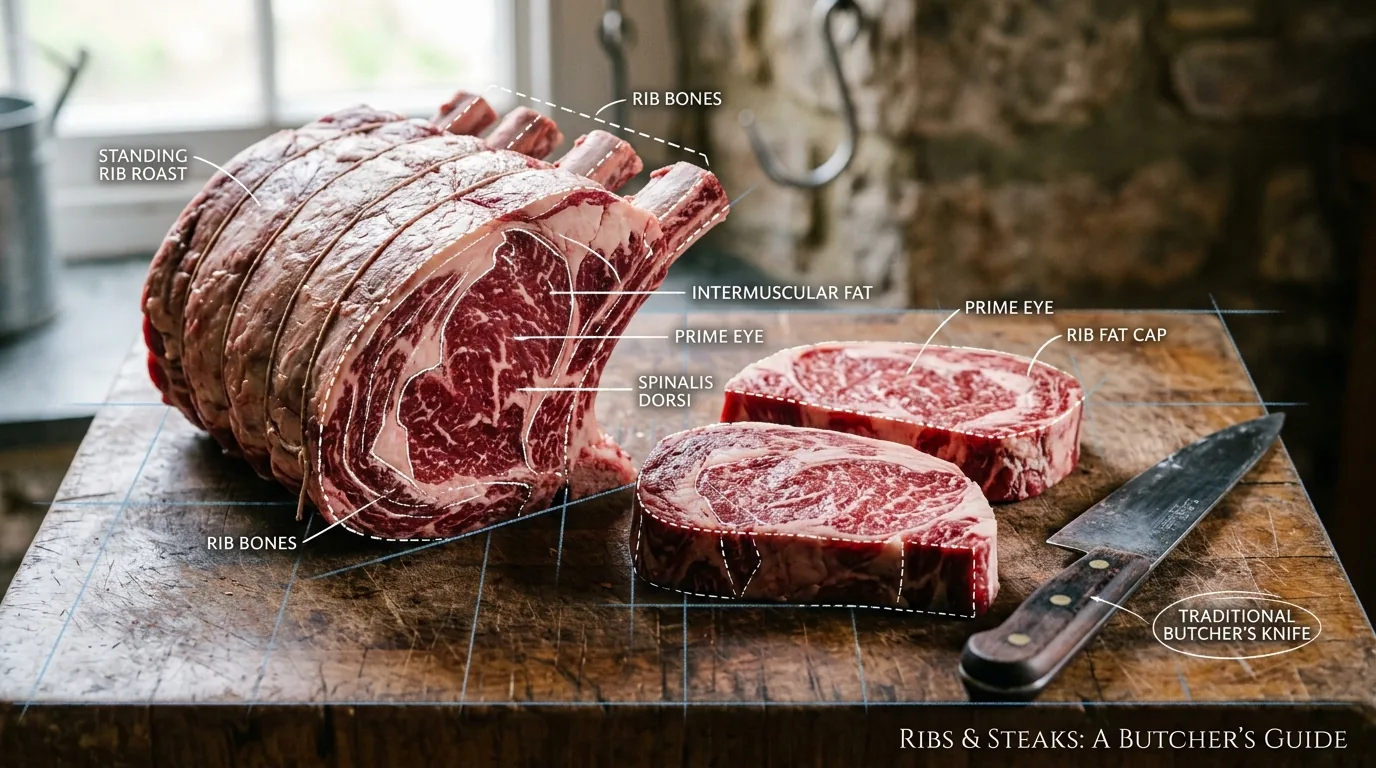
Both prime rib and ribeye come from the rib primal — the section of the steer between the chuck (shoulder) and the loin, spanning ribs six through twelve. This area does relatively little work during the animal’s life, which is why it’s laced with the intramuscular fat, or marbling, that makes rib cuts so flavorful and tender.
The difference is entirely in how each is butchered and cooked:
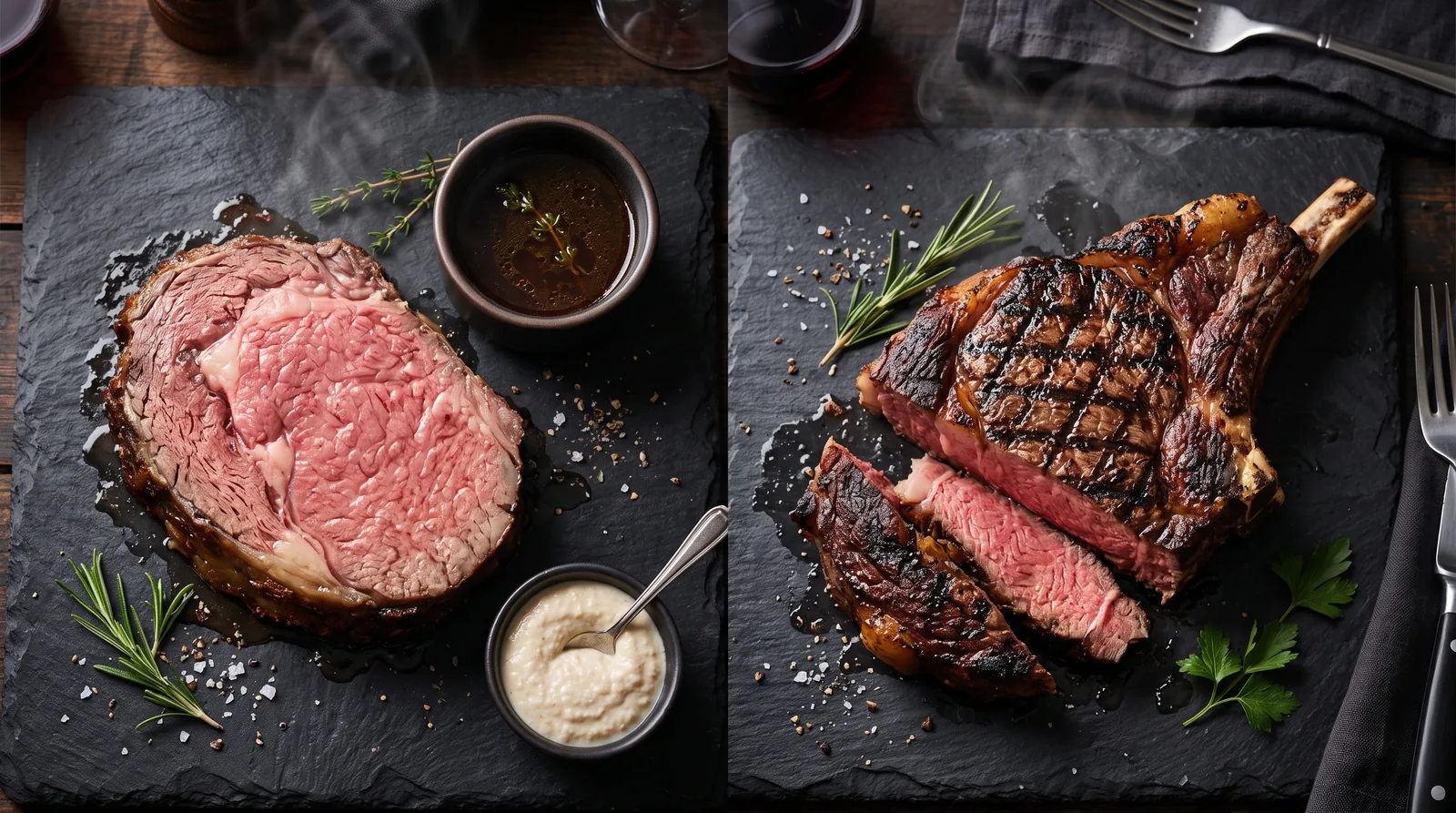
- Prime rib (formally a standing rib roast) is the whole rib section roasted slowly as one large piece, usually bone-in, then carved into thick slices to order. It’s a roast, not a steak.
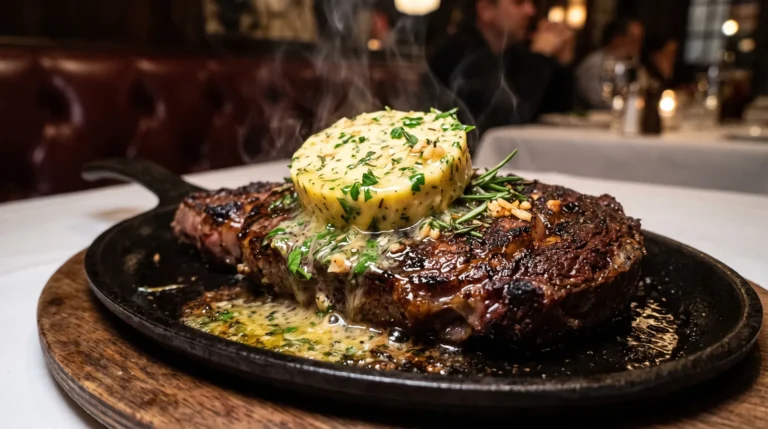
- Ribeye is an individual steak cut from that same section before cooking, then grilled or broiled hot and fast, developing a browned, caramelized crust.
In other words — as the entries for the standing rib roast and the rib eye steak make clear, you’re choosing between two cooking philosophies, not two parts of the animal.
Flavor and Texture: Roast Beef Silk vs. Grilled Crust
Slow roasting gives prime rib an even, rosy, edge-to-edge doneness and a soft, almost buttery texture. The fat renders gently through the meat, and it’s traditionally served with its own juices (au jus) and horseradish. The flavor is beefy but mellow — closer to the world’s best roast beef than to a grilled steak.
A ribeye, seared over high heat, delivers what prime rib can’t: the Maillard crust. That deeply browned exterior adds roasted, nutty, slightly smoky notes and a textural contrast between crust and interior. Ask this question in steak-lover communities like r/steak, and the consensus is remarkably consistent: prime rib wins on tenderness and juiciness, ribeye wins on crust and concentrated seared flavor.
Does “Prime” Mean USDA Prime?
Here’s a point that trips up many diners: the “prime” in prime rib refers to the primal cut, not the USDA grade. A restaurant can serve “prime rib” graded Choice. USDA Prime is the top grade under the official USDA beef grading standards, awarded for abundant marbling — so a “USDA Prime ribeye” and a “prime rib” are describing two different things. At high-end steakhouses, both are typically USDA Prime graded, but it’s always worth asking.
Which Should You Order?
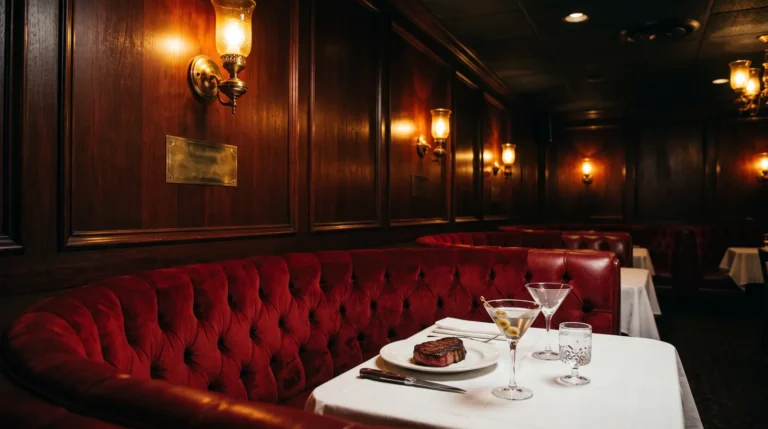
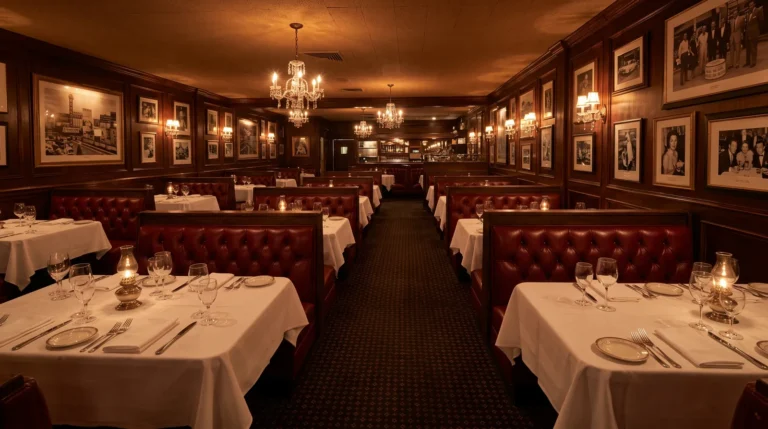
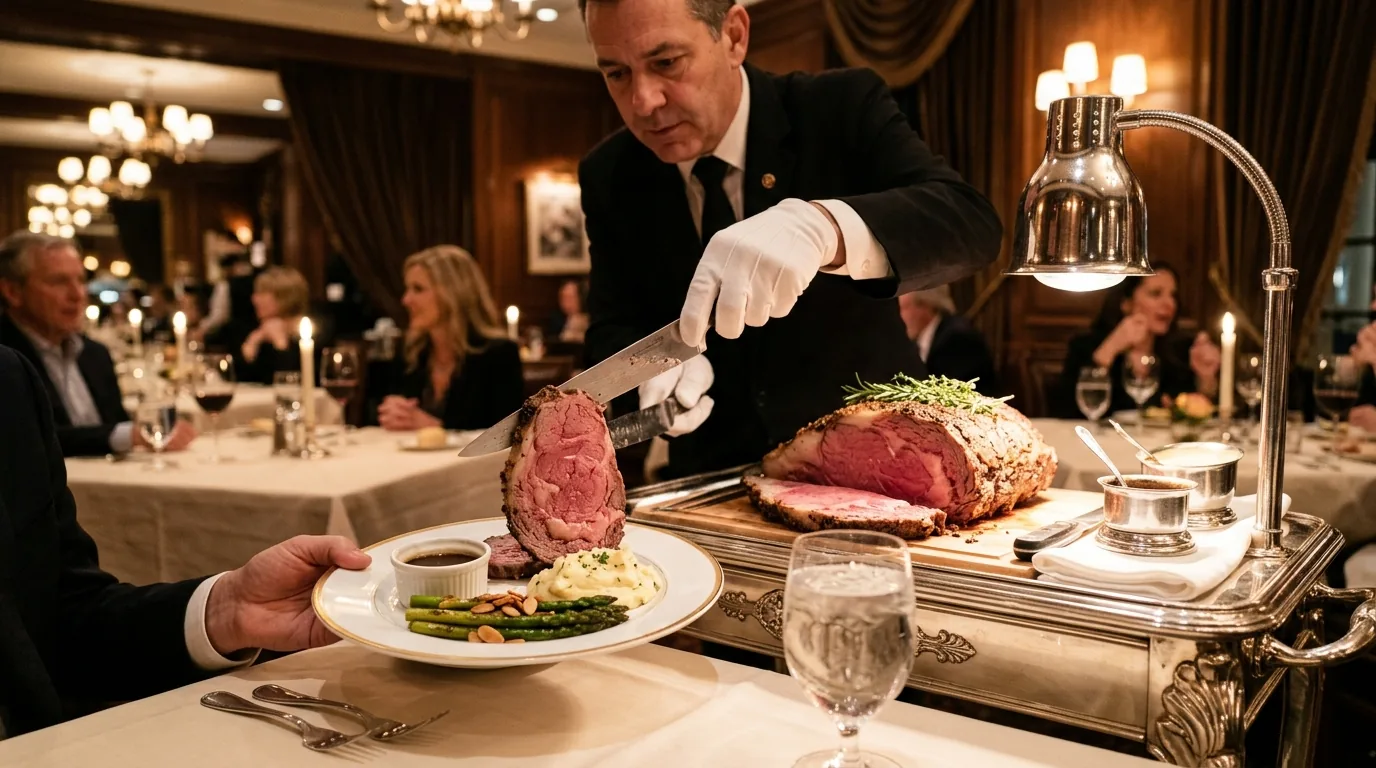
Order prime rib if you love tender, juicy, evenly cooked beef, want a generous portion carved from a roast, prefer milder seasoning that showcases pure beef flavor, or you’re dining somewhere with an old-school tableside tradition — the cut is a signature of vintage steakhouses for a reason.
Order the ribeye if you want char and crust, like your steak cooked to a precise doneness on the grill, or enjoy the richer taste that comes from seared fat. A bone-in ribeye (sometimes called a cowboy cut) splits the difference with extra flavor near the bone.
Doneness tip: prime rib is best ordered medium-rare to medium — beyond that, the slow-roasted texture turns gray and dry. A well-marbled ribeye is more forgiving at medium. If you like steak medium-well or beyond, the ribeye is the safer choice.
What About Price and Portions?
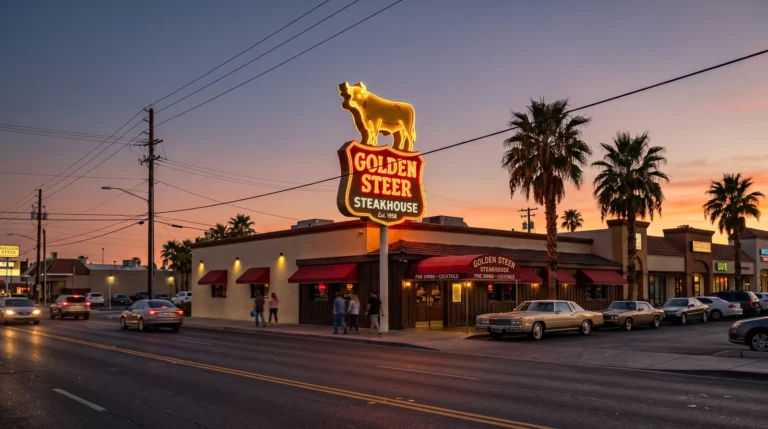
At classic Las Vegas steakhouses, prime rib and ribeye typically sit in a similar price band — at the Golden Steer, for example, steaks run roughly $70–$98, with prime rib served in traditional carved portions. Prime rib often looks like the better value by sheer size, but remember much of a bone-in slab is bone and rendered fat. Ribeye gives you more edible sear per dollar; prime rib gives you more theater and tenderness.
Frequently Asked Questions
Is prime rib or ribeye more tender?
Prime rib, generally — slow roasting preserves moisture and softens the meat evenly. Ribeye trades a little tenderness for its seared crust.
Why is prime rib only at some restaurants?
Because it requires roasting an entire multi-rib section for hours and selling it the same day. Restaurants that carve prime rib nightly are making a real commitment, which is why it’s a hallmark of traditional steakhouses.
Can you cook prime rib like a steak at home?
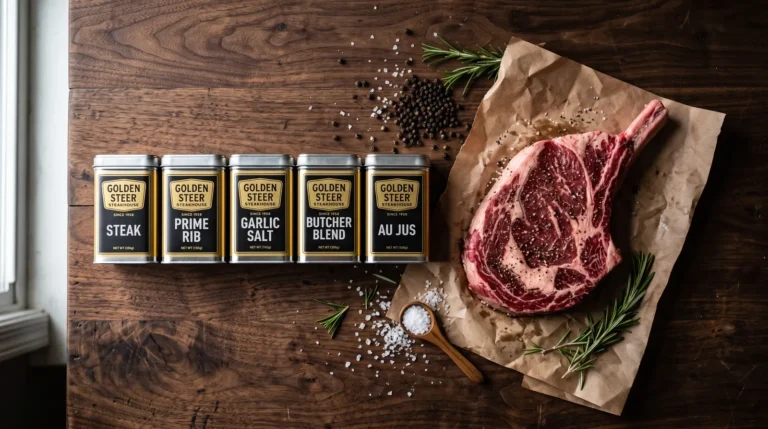
Yes — slice a raw rib roast into steaks and you have ribeyes. Cook it whole, slow, and bone-in, and you have prime rib. Same beef, your choice of destiny.